A dusty vent cover is easy to notice. What matters more is the debris deeper in the return and supply ducts, around the blower compartment, and near the HVAC components that move air through your home or business every day. Effective duct cleaning methods are designed to remove that material from the system, not just make the registers look better.
For homeowners, renters, property managers, and business owners, the right approach can help address visible dust, renovation debris, pet hair, musty odors, and buildup that may affect HVAC airflow. The best method depends on the system, the condition of the ductwork, and what is actually found during inspection.
What Professional Duct Cleaning Should Accomplish
A proper air duct cleaning service uses source removal. That means technicians work to loosen dirt and debris inside the duct system, then collect it with specialized vacuum equipment before it can circulate back into the property.
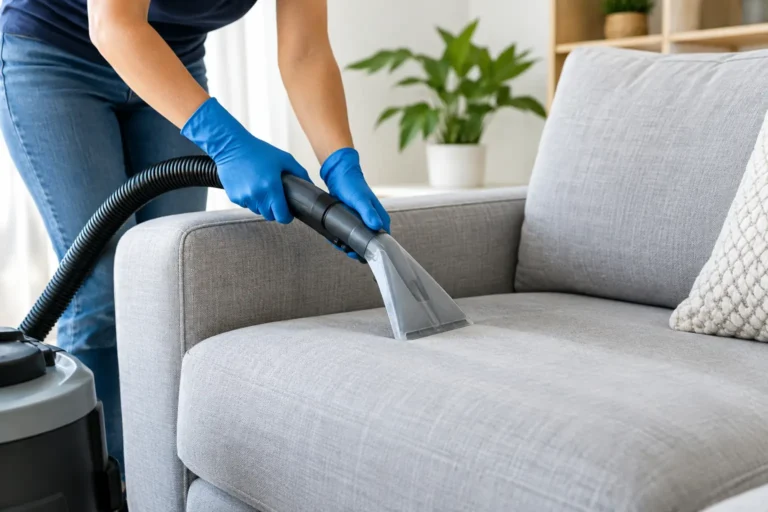
This is different from running a household vacuum around a vent opening. Surface cleaning can improve appearance, but it cannot reach long duct runs, interior bends, return trunks, or the areas near the air handler where buildup often collects. Professional work should address accessible supply ducts, return ducts, registers, grilles, and key HVAC components as appropriate for the system.
The goal is practical: reduce accumulated debris, support cleaner airflow, and leave the work area clean when the job is done. Duct cleaning is not a cure for every indoor air concern. If there is an ongoing moisture problem, a damaged filter rack, mold growth, or a pest issue, those conditions need to be identified and addressed separately.
The Main Duct Cleaning Methods Professionals Use
Reliable duct cleaning usually combines more than one technique. A technician may use negative pressure to collect loosened material while using agitation tools to clean the interior surfaces of the ducts. The exact equipment and sequence should fit the property, not follow a one-size-fits-all routine.
Negative Pressure and High-Powered Vacuum Collection
Negative pressure is the foundation of many professional duct cleaning methods. Technicians connect a powerful vacuum collection unit to the duct system through an existing opening or a carefully created access point. The equipment creates suction that pulls dislodged dust and debris toward the collector rather than allowing it to spread through the home or building.
This method is especially useful because it controls debris during cleaning. While the system is under negative pressure, technicians can work through individual vents and duct runs with agitation tools. The vacuum captures the material as it is loosened.
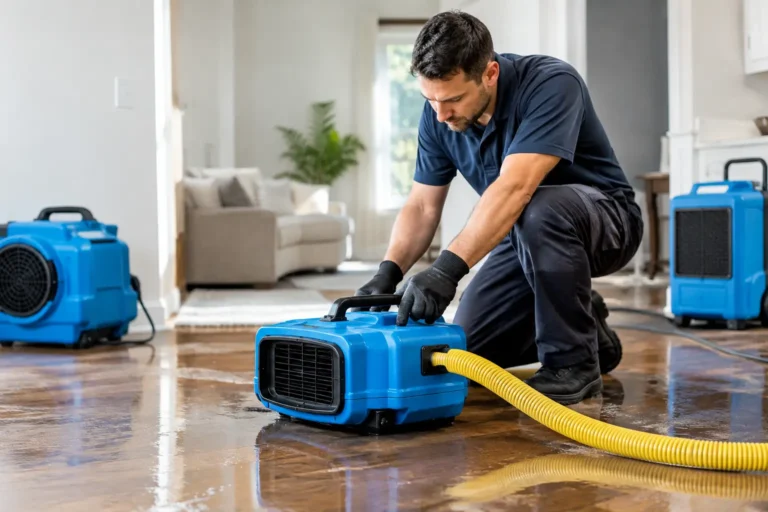
The quality of this process depends on the equipment, proper sealing, and access to the relevant sections of the system. A small portable vacuum may be appropriate for limited work, but larger or heavily used systems often require more powerful collection equipment and a more thorough setup.
Mechanical Agitation With Brushes and Whips
Vacuum pressure alone will not always remove debris attached to duct surfaces. Mechanical agitation tools help break loose dust, lint, construction residue, and other buildup so the collection system can remove it.
Soft-bristle rotary brushes may be used in durable metal ductwork. Air-driven whips, skipper balls, and similar flexible tools can agitate debris through ducts with turns and longer runs. Compressed-air tools are often useful for reaching areas that brushes cannot navigate easily.
There is a trade-off. Aggressive brushes can be useful in the right ducts, but they are not appropriate for every system. Older ductwork, flexible ducts, internally lined ducts, and damaged ducts require care. Experienced technicians assess the material and condition before selecting a tool, rather than forcing equipment through ductwork that could be harmed.
Compressed Air Cleaning
Compressed air is often used alongside negative pressure. A technician directs controlled bursts of air through the duct to move loose material toward the vacuum connection. This can be particularly effective for dust in corners, transitions, and branch lines.
Air cleaning should not be confused with simply blowing debris around. Without a properly connected collection system, compressed air can push particles farther into the system or out through open vents. When paired with strong vacuum capture, it becomes a targeted cleaning method that supports source removal.
Access-Point Cleaning
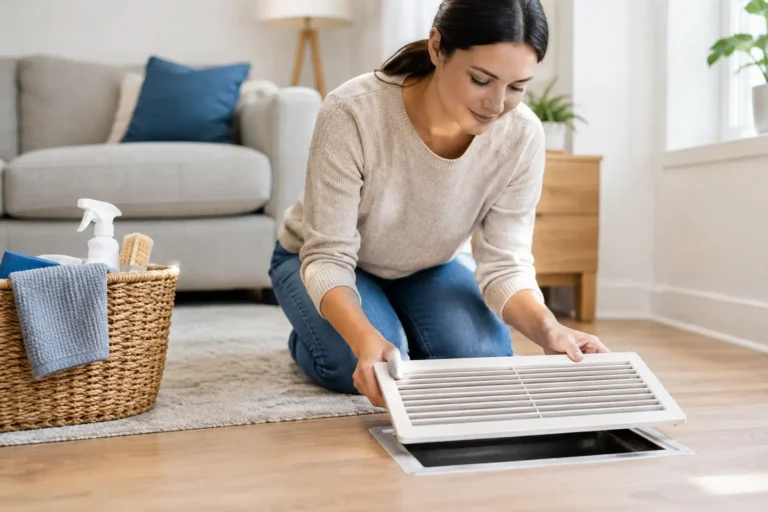
Some of the most important sections of an HVAC system are not reachable through registers alone. A professional may need to use existing service openings or create and properly reseal access points to clean main trunks, return plenums, and other accessible areas.
This work should be deliberate and explained before it begins. Access panels should be sealed after service so the duct system continues to operate efficiently. If a provider says they can clean an entire system without inspecting the air handler or accessing major duct sections when needed, ask how debris in those areas will be removed.
Cleaning HVAC Components When Appropriate
The ductwork is only one part of the air-moving system. Depending on the service scope and system condition, cleaning may also include accessible blower components, the return area, drain pan, and evaporator coil area. These components can collect dust and affect system performance when neglected.
Not every component needs the same treatment on every visit. Coil cleaning, for example, should be performed when buildup is present and access is safe. A careful inspection helps determine whether component cleaning is needed instead of adding services that do not solve a real problem.
When Sanitizing Is Useful and When It Is Not
Some duct cleaning companies offer sanitizing or deodorizing treatments. These may be appropriate after a verified contamination concern, an odor issue, water damage, or pest-related cleanup. They are not a substitute for removing dirt and debris first.
A treatment should never be presented as a routine necessity for every duct cleaning job. If a technician recommends one, ask what condition they found, what product will be used, and why it is suitable for your system and indoor environment. The most dependable approach starts with physical cleaning and addresses the source of the problem.
Signs a Duct Cleaning Method May Fall Short
A low price can be appealing, especially for a large home or commercial property. But a quote that seems too good to be true may cover little more than a quick vent-level cleaning. Before scheduling, confirm what areas are included and how the provider plans to collect debris.
Be cautious if a company cannot explain its equipment, avoids discussing the return side of the system, or promises to clean every duct in a few minutes. Other warning signs include pressure to buy sanitizing treatments without an inspection and vague pricing that increases sharply after technicians arrive.
A trustworthy provider explains the process in plain language. You should know whether they will use vacuum collection, what agitation tools are appropriate for your ductwork, whether access points are needed, and what cleanup is included.
Choosing the Right Method for Your Property
For a typical home, a negative-pressure setup paired with controlled agitation is often the most thorough approach. Homes with pets, recent remodeling, long periods between maintenance, or noticeable dust buildup may need more detailed attention. If you have flexible ductwork or an older system, careful tool selection matters as much as suction power.
Commercial spaces can require a different plan. Offices, retail locations, rental properties, and multi-unit buildings may have larger duct systems, higher traffic, more complex access needs, or scheduling limits. A qualified team should be able to tailor the work around the building’s use and minimize disruption.
Before service, replace or inspect your HVAC filter and make note of concerns such as uneven airflow, odors, visible dust, recent construction, or water damage. Sharing those details helps the technician focus on the areas that need attention.
DMV Dream Clean provides professional duct cleaning for homes and businesses with a focus on cleaner indoor environments, careful service, and clear communication from quote to completion. The right cleaning plan should feel straightforward: your system is inspected, the appropriate tools are used, debris is properly collected, and you are left with a cleaner space and a better understanding of what was done.
If your vents are showing dust again soon after cleaning, the HVAC filter is constantly clogged, or a renovation left fine debris throughout the property, do not settle for a register-only touch-up. A professional inspection can help you choose a cleaning method that matches the condition of your system and the needs of the people who use the space every day.