Dust mites are one of the most common reasons a home can feel dusty, stuffy, or uncomfortable even when it looks clean. These microscopic pests feed on shed skin cells and tend to gather where people spend the most time: mattresses, pillows, upholstered furniture, rugs, carpeting, and fabric window treatments. You cannot eliminate them completely, but a consistent cleaning routine can significantly reduce the allergens they leave behind.
For families with allergies, asthma, or ongoing congestion at home, that difference can matter. The goal is not to sterilize every surface. It is to focus your effort on the materials that hold dust, skin flakes, and moisture – the conditions dust mites need to thrive.
Why Dust Mites Cause Problems Indoors
Dust mites themselves do not bite people or spread disease. The issue is the proteins found in their waste particles and body fragments. When these particles become airborne or settle into bedding and soft surfaces, they can trigger allergy symptoms in sensitive people.
Symptoms may include sneezing, a runny or stuffy nose, itchy or watery eyes, coughing, postnasal drip, or worsening asthma. If symptoms seem noticeably worse after waking up, making the bed, vacuuming, or sitting on an older upholstered sofa, dust mite allergens may be part of the problem.
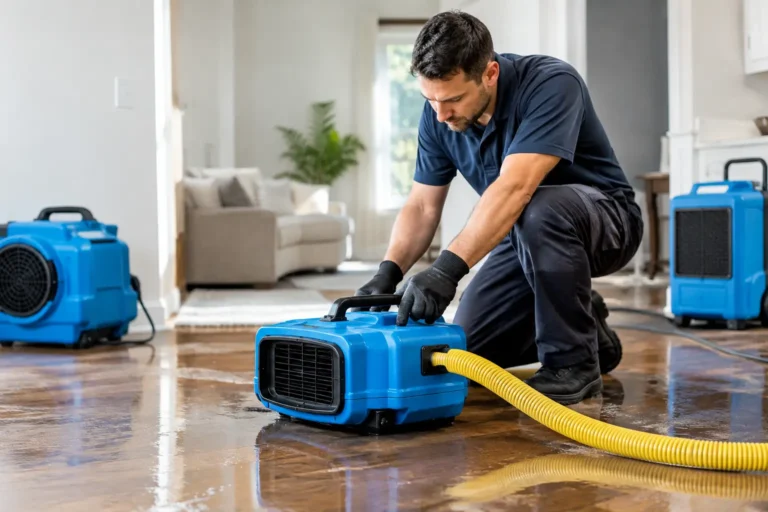
Humidity is a major factor. Dust mites prefer warm, humid environments and do not drink water the way people do. Instead, they absorb moisture from the air. Homes with consistently high indoor humidity, poor airflow, water leaks, or damp carpeting can provide a more welcoming environment for them.
Where Dust Mites Build Up Most Often
Bedding is usually the first place to address. A mattress can hold years of skin cells, body oils, and fine dust, while pillows and comforters are used close to the face for hours each night. Even a carefully made bed can contain allergens below the surface.
Carpets and area rugs are another common collection point. Their fibers capture dust that enters through shoes, open windows, pets, and everyday activity. Vacuuming helps with surface debris, but it may not remove the fine particles that work their way deeper into dense pile, padding, and rug backing.
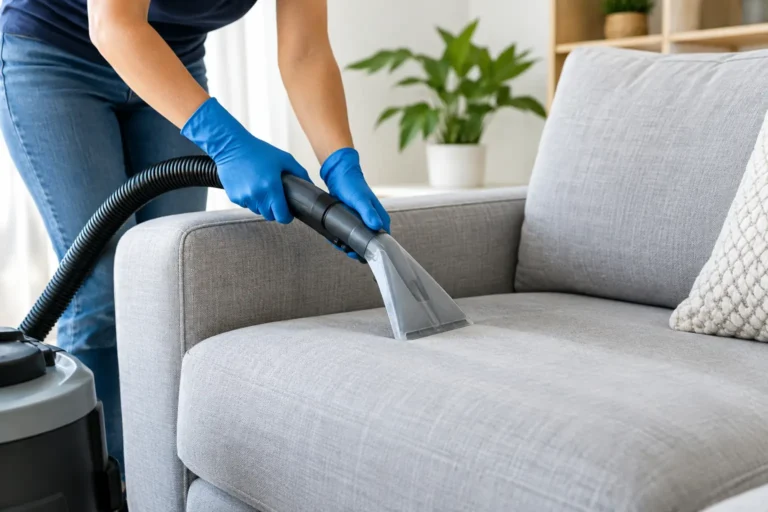
Upholstered furniture, draperies, fabric headboards, and decorative pillows deserve attention too. These materials are often overlooked because they do not look visibly dirty. Yet they can hold the same allergen-containing dust as bedding and carpet, especially in busy living rooms, bedrooms, waiting areas, and offices.
Hard floors are generally easier to manage, but dust still settles along baseboards, beneath furniture, and in corners. When it is disturbed, some of it can move back into the air and settle on soft furnishings again.
A Practical Routine to Reduce Dust Mites
The best approach is regular, targeted maintenance rather than occasional deep cleaning after symptoms become frustrating. Start with the bedroom, then move to the soft surfaces used most often throughout the home.
Wash Bedding on a Consistent Schedule
Wash sheets, pillowcases, and blankets weekly in hot water when the fabric care label allows it. Hot washing is one of the most effective ways to reduce dust mites in washable bedding. Dry items completely before putting them back on the bed, since lingering moisture works against your efforts.
Comforters, duvet inserts, mattress pads, and pillows need cleaning too, although the correct schedule depends on the item and manufacturer instructions. Some can be washed at home, while others require professional care. If an item is difficult to wash or has lost its shape, a washable protective cover may be a better long-term option.
Mattress and pillow encasements can provide an additional barrier. Look for covers designed to fully zip around the item, not just cover the top. They do not replace cleaning, but they can help keep allergens from moving between the mattress or pillow and the sleeper.
Keep Humidity Under Control
Aim to keep indoor relative humidity around 30% to 50%. A dehumidifier can help in damp basements, bedrooms, or other areas that stay humid. Use bathroom exhaust fans, repair plumbing leaks promptly, and make sure your HVAC system is draining properly.
Lower humidity alone will not clean existing dust from a mattress or rug. It does, however, make conditions less favorable for future dust mite growth. In the DMV area, where humid summers are common, this step can be especially useful from late spring through early fall.
Clean Floors and Soft Furnishings the Right Way
Vacuum carpets and upholstered furniture regularly using a machine with strong suction and a high-efficiency filter. Move slowly enough for the vacuum to lift embedded dust instead of only passing over the surface. Pay attention to bedroom carpet, under beds, sofa cushions, and the gaps along furniture edges.
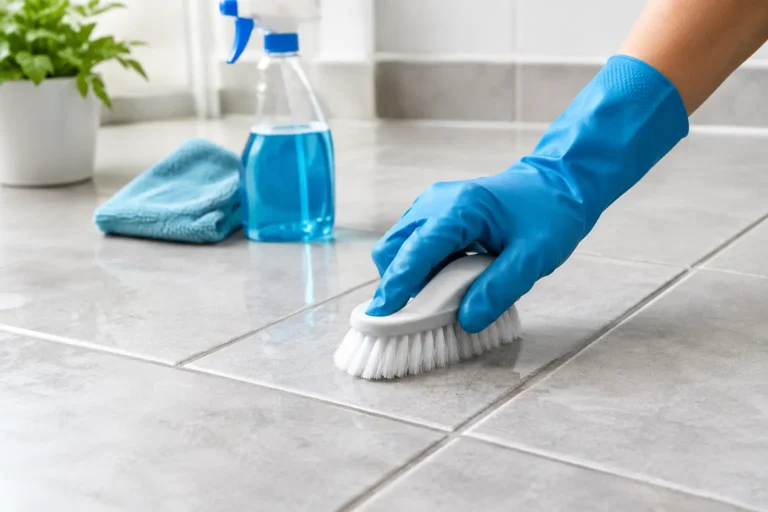
For hard floors, damp mop or use a microfiber cloth rather than dry sweeping. Dry sweeping can stir fine dust into the air, while a damp method captures it. Wash or replace cleaning cloths after use so collected dust is not spread back around the room.
A home vacuum is valuable for routine upkeep, but it has limits. Deep carpet, rugs, mattresses, and upholstery may need professional cleaning when odors linger, allergy concerns persist, stains have built up, or the material has not been cleaned in a long time. The right method depends on the fabric, construction, soil level, and drying conditions. More moisture is not always better, particularly for delicate rugs or thick upholstery that may take longer to dry.
What Professional Cleaning Can and Cannot Do
Professional mattress, carpet, rug, and upholstery cleaning can remove a substantial amount of embedded soil, dust, and allergens from the surfaces people use every day. It is particularly helpful after a move, before a new baby arrives, after renovation dust, or when a property has been closed up for an extended period.
It is not a one-time cure for allergies. Dust mites and household dust return as people live in the space. The value of deep cleaning is that it resets the condition of key materials and supports a manageable maintenance routine afterward.
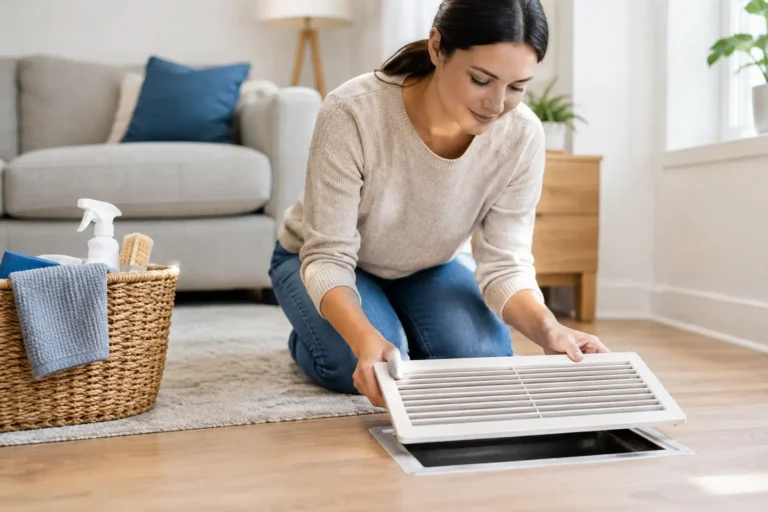
Air duct cleaning may also be appropriate when ducts contain visible dust buildup, debris from construction, signs of moisture issues, or contamination related to a specific indoor air quality concern. Still, ducts are not usually the main home for dust mites compared with bedding and upholstered materials. A responsible plan should prioritize the sources that are most likely affecting daily exposure rather than treating every service as a universal fix.
At DMV Dream Clean, technicians can help identify the soft surfaces that need the most attention and recommend a cleaning plan based on your home, business, fabric types, and concerns. For property managers and business owners, scheduled carpet and upholstery care can also help maintain cleaner customer-facing spaces between major turnovers or renovations.
When It Is Time to Look Beyond Cleaning
If allergy-like symptoms continue despite regular cleaning, consider other contributors. Pet dander, pollen entering through windows, mold from hidden moisture, smoke residue, and poorly maintained HVAC filters can create similar discomfort. Persistent dampness, musty odors, or visible mold should be addressed at the source rather than covered up with fragrance or surface cleaning.
It can also help to speak with a medical professional or allergist, especially when asthma symptoms, sleep disruption, or recurring sinus issues are involved. Knowing the specific trigger makes it easier to spend your cleaning budget where it will have the greatest impact.
A cleaner home does not need to mean an exhausting schedule. Start with the bed you sleep in, keep humidity in check, and give carpets and upholstery the deeper care they need. If those surfaces have been collecting dust for months or years, a professional cleaning appointment can be a practical first step toward a fresher, more comfortable space.