A wet floor after a burst pipe is more than a cleanup problem. Water can reach electrical outlets, weaken materials, spread contamination, and create the conditions for mold in a surprisingly short time. These five water damage safety steps help homeowners, renters, property managers, and business owners protect people first while making smarter decisions about the property.
The Five Water Damage Safety Steps to Take First
1. Make sure the area is safe before you enter
Do not walk into standing water simply to see how bad the damage is. If water is near outlets, appliances, power strips, breaker panels, or electrical cords, assume there may be an electrical hazard. Stay out of the affected area until power can be shut off safely.
If you can reach the electrical panel without crossing wet floors or touching wet surfaces, turn off electricity to the affected area. Do not handle the panel if you are standing in water, if the panel is wet, or if you are unsure which circuit controls the space. In that situation, leave the area and contact a qualified professional.
Watch for structural warning signs as well. A sagging ceiling, bowed wall, swollen floor, or cracked drywall may mean water has collected behind a surface. Keep people away from rooms with visible ceiling bulges. A ceiling can release a significant amount of water without warning, and the safest choice is to let trained restoration and repair professionals assess it.
For commercial properties, block off the area as soon as possible. A wet entryway, hallway, restroom, or office can quickly become a slip-and-fall risk for employees, customers, and visitors.
2. Stop the water source only when it is safe
The fastest way to limit water damage is to stop additional water from entering the property. For a plumbing leak, this may mean turning off the local shutoff valve beneath a sink, behind a toilet, or near an appliance. If the leak cannot be isolated, turn off the main water supply.
Do not take risks to reach a valve. If water is pouring from a ceiling, coming from an unknown source, or flowing near electrical equipment, step back. Your safety matters more than saving a few extra minutes of cleanup.
Some water sources require a different response. If a roof leak is active during heavy rain, avoid climbing onto the roof or using a ladder in wet, windy conditions. Place containers under drips if it is safe to do so, move belongings away from the area, and arrange for professional help. If you smell gas, hear hissing near a gas line, or suspect a water heater issue involving gas, leave the property and contact the appropriate emergency service or utility provider.
Once the source is stopped, take note of where the water began. That detail helps restoration technicians identify hidden moisture paths and determine whether the water may be contaminated.
3. Treat unknown water as contaminated
Not all water damage is the same. Clean water from a supply line may be manageable in a small, contained area if it is addressed immediately. Water from a dishwasher, washing machine, toilet overflow, storm drain, sewer backup, or outdoor flooding should be handled much more carefully.
Floodwater and sewage-contaminated water can carry bacteria, chemicals, and other harmful material. Keep children, pets, and unprotected adults out of the area. Avoid touching the water, and do not use household towels, mops, or a standard vacuum to clean up sewage or large amounts of dirty water. Those methods can spread contamination and may damage your equipment.
Wear appropriate protection if you must enter a lightly affected area to retrieve essential belongings. Waterproof boots, gloves, and protective clothing can reduce contact, but they do not make contaminated water harmless. Wash exposed skin thoroughly afterward and keep contaminated items separate from clean areas.
Porous materials may not be salvageable after dirty water exposure. Carpeting, padding, insulation, upholstered furniture, mattresses, and drywall can absorb contaminants below the surface. The right decision depends on the source of the water, how long materials were wet, and how far the moisture traveled. Professional inspection can prevent a surface-level cleanup from leaving a health concern behind.
4. Protect people and belongings without spreading damage
After immediate hazards are controlled, move dry, valuable items away from the affected area. Start with medications, important documents, electronics, photographs, and small furniture. Place items on dry shelves, tables, or plastic bins rather than stacking them on a damp floor.
Avoid dragging wet furniture or rugs through dry rooms. This can spread moisture, dirt, and contaminants into areas that may otherwise have been unaffected. If a rug is soaked, do not roll it tightly. Moisture trapped inside can lead to odor, dye transfer, and mold growth.
For carpeting, lifting a corner to check the pad can be useful only if the water is known to be clean and the area is safe. A carpet that feels dry on top may still have saturated padding and wet subflooring underneath. Fans and open windows can help with a small clean-water spill, but they are not always enough for water that has soaked beneath flooring or entered walls.
Take clear photos and short videos before removing damaged materials when possible. Document the source, the affected rooms, visible water lines, damaged belongings, and any emergency repairs. This can be helpful for insurance reporting, property records, and communication with a landlord or property manager.
Renters should notify the property owner or management company promptly, even if the leak appears minor. Business owners should document the event and communicate any access restrictions to employees or tenants. Fast reporting helps prevent confusion and creates a clearer record of what happened and when.
5. Start professional drying early
Water damage is not always visible after the puddles are gone. Moisture can remain under flooring, inside wall cavities, behind baseboards, and within insulation. That trapped moisture is what often leads to musty odors, material damage, and mold growth days or weeks later.
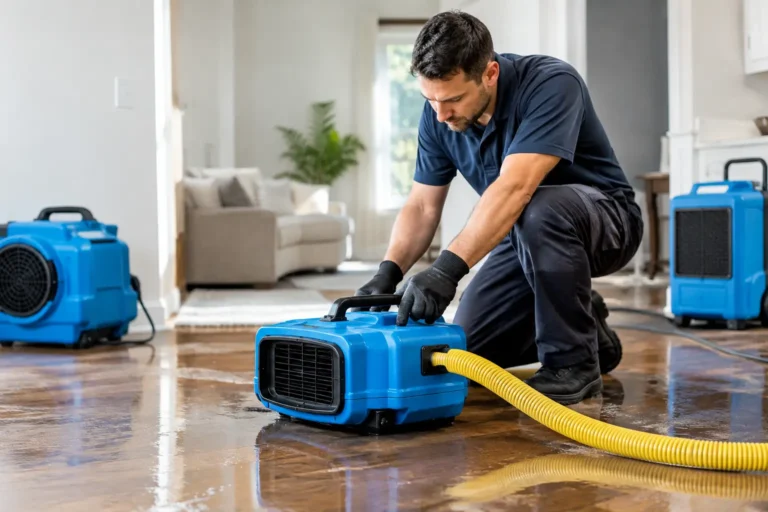
A professional restoration team uses moisture detection equipment, commercial extraction, controlled drying, and targeted cleaning to address water beyond the surface. This is especially valuable after a burst pipe, appliance leak, roof leak, toilet overflow, sewage backup, or any incident affecting multiple rooms.
Call for professional help immediately if water has reached electrical systems, hardwood flooring, carpet padding, drywall, cabinets, ceilings, insulation, or HVAC components. The same applies when the water source is contaminated, the affected area is large, or the leak may have been present for more than a day.
DMV Dream Clean provides responsive water damage restoration support for homes and businesses, helping property owners address moisture quickly and protect the spaces they rely on. A prompt assessment can clarify what can be dried and restored, what needs to be removed, and how to prevent additional damage.
Do Not Wait for Visible Mold
Mold does not need a major flood to become a concern. A slow leak under a sink, behind a refrigerator, inside a wall, or around a window can keep materials damp long enough for growth to begin. The first signs are often subtle: a musty smell, peeling paint, warped baseboards, soft drywall, or recurring stains.
If you notice those signs after a leak or flooding event, do not cover them with paint or air freshener. The moisture source and affected materials need attention. Drying only the visible surface may not solve the underlying problem.
Water damage can feel overwhelming, particularly when it interrupts a home, rental property, or business operation. Start with safety, limit additional water when you can do so safely, and bring in experienced help before hidden moisture turns a manageable incident into a larger repair.