Water that reaches carpet does not stay on the surface. It moves through the fibers, soaks the backing and pad, and can settle beneath the flooring where damage is easy to miss. This guide to post flood carpet recovery explains how to protect people, document the loss, and make sound decisions about cleaning or replacement before moisture turns into a larger restoration problem.
The first few hours matter most. Fast action can limit staining, odor, mold growth, and damage to baseboards or subflooring. But speed should never come before safety. Floodwater may carry sewage, bacteria, chemicals, or debris, and a wet carpet can conceal hazards underfoot.
Start With Safety and Documentation
Do not enter a flooded room if there is a possibility of electrical danger. If water is near outlets, cords, appliances, or an electrical panel, turn off power only if it is safe to do so. Avoid standing water until you know the area is secure. Keep children and pets away from affected rooms.
Before moving furniture or beginning cleanup, take clear photos and videos of the carpet, water line, damaged belongings, walls, and affected areas. This documentation can support an insurance claim and gives a restoration professional a useful picture of the original conditions. Save receipts for emergency services, equipment rentals, and replacement items as well.
If the water came from an outside flood, sewage backup, toilet overflow, or unknown source, treat the carpet as contaminated. This is not a situation for basic shampooing or a household wet vacuum. Contaminated water can leave harmful material deep in the carpet and padding, even after the surface appears dry.
The First 24 Hours After Carpet Flooding
Once the area is safe, focus on stopping the source and reducing moisture exposure. If a plumbing leak caused the problem, shut off the water supply or contact a plumber. If weather-related water is still entering the property, protect the opening only when it can be done safely.
Use this order of priority during the initial response:
- Remove people, pets, and unaffected belongings from the wet area.
- Photograph the damage and notify your insurance carrier if appropriate.
- Move furniture from wet carpet, using blocks or foil under legs when items cannot be relocated.
- Begin water extraction as soon as possible with appropriate equipment.
- Arrange professional inspection and drying, especially for widespread water, padding, or contaminated water.
Do not assume opening windows will solve the problem. Outdoor humidity, rain, and poor airflow can slow drying. Fans and dehumidifiers can help with a small, clean-water incident, but they are not a replacement for proper extraction. A carpet may feel dry underfoot while the pad and subfloor remain wet.
Can Flooded Carpet Be Saved?
Whether carpet can be recovered depends on the water source, how long it remained wet, the carpet material, and what lies underneath it. A clean-water leak caught quickly may allow for successful restoration. In many cases, technicians can extract water, lift sections of carpet, remove saturated padding, clean the carpet, and dry the structure beneath it.
Carpet exposed to outdoor floodwater, sewage, or other unsanitary water typically should be removed and discarded. The padding is especially difficult to sanitize and dry thoroughly. Keeping contaminated padding can create ongoing odor and health concerns, even when the carpet looks acceptable after cleaning.
Time also changes the decision. Clean water can become increasingly contaminated as it sits. If carpet has remained wet for more than 24 to 48 hours, mold growth and material deterioration become more likely. A professional moisture inspection is the best way to determine whether drying and cleaning are still realistic or whether replacement is safer.
Some carpet materials respond better than others. Synthetic carpeting may have a better chance of recovery after a clean-water event than natural fiber carpet or rugs, which can shrink, bleed color, or hold odor. The age and condition of the carpet matter, too. Restoring an older carpet with worn backing may not be the most cost-effective option.
What Professional Carpet Recovery Involves
Professional water damage restoration is more than removing visible water. The goal is to return the affected materials to a safe, dry condition while addressing the source of moisture and limiting secondary damage.
A typical recovery process begins with an assessment of the water category, the affected rooms, the carpet and pad, and nearby materials such as drywall, trim, and flooring. Moisture meters and other equipment help locate wet areas that cannot be confirmed by sight alone.
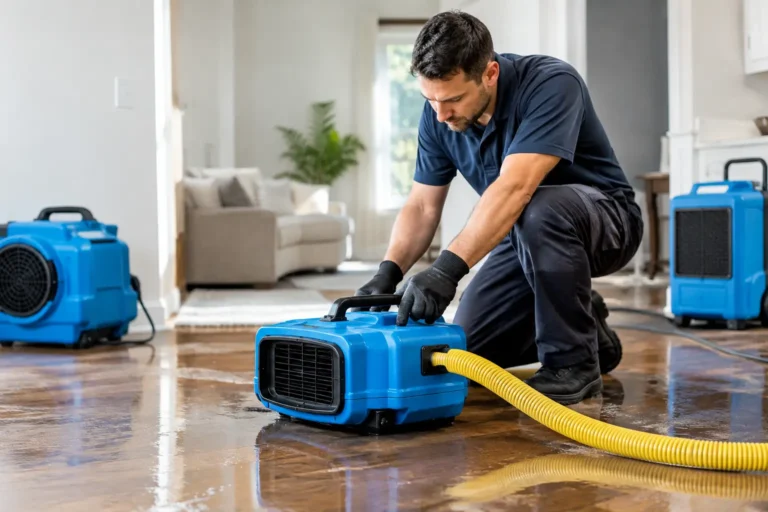
Next comes extraction. Powerful extraction equipment removes far more water than a standard shop vacuum, which shortens drying time and reduces the risk of mold. Depending on the conditions, technicians may detach and lift carpet edges to dry underneath. Saturated padding may need to be removed so the subfloor can be cleaned and dried properly.
Drying equipment is then placed strategically to move air and reduce humidity. Technicians should monitor moisture levels over the following days instead of relying on how the room feels. This step is especially important in basements, commercial suites, and rooms with heavy furniture, where moisture can linger behind walls or beneath flooring.
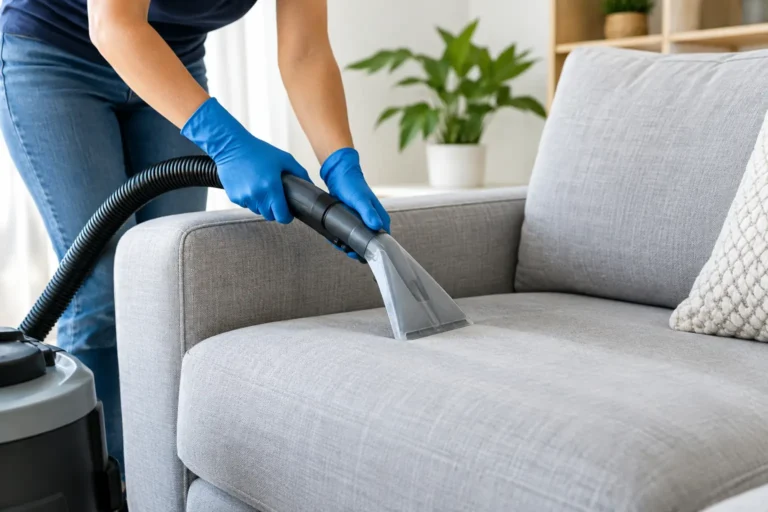
When the carpet is appropriate for restoration, cleaning and sanitizing may follow drying. The exact method depends on the water source and carpet condition. A reputable restoration provider will explain when cleaning is suitable and when replacement is the safer choice, rather than promising to save materials that should be removed.
Common Mistakes That Make Water Damage Worse
A flooded carpet creates pressure to act quickly, but a few common shortcuts can create expensive problems. One is delaying extraction while waiting for the carpet to dry on its own. Another is placing fans directly on contaminated floodwater, which can spread particles and odors through the space.
Avoid using regular household cleaners or heavy fragrances to cover a musty smell. Odor usually signals remaining moisture, bacteria, or material damage. Covering it up does not solve the underlying issue.
Do not reinstall furniture on carpet until moisture readings confirm that the carpet, pad, and subfloor are dry. Heavy furniture can trap moisture, stain carpet, damage wood legs, and leave sections of flooring unable to dry. Be cautious about pulling carpet up yourself as well. Improper handling can tear the backing, damage tack strips, or expose you to contaminated water.
Recovery for Renters, Property Managers, and Businesses
Renters should notify the property owner or management company promptly and document all damaged personal belongings. Do not throw away damaged items until they have been photographed and the responsible parties have been notified, unless they pose a clear health risk.
Property managers need a response plan that protects both the affected unit and neighboring spaces. Water can travel under walls and along shared flooring, so a quick inspection of adjacent rooms may prevent a small incident from becoming a multi-unit repair.
For businesses, reopening too soon can be costly. Wet carpet in customer areas, offices, or common spaces can create slip risks, odor complaints, and indoor air quality concerns. A documented drying process gives owners a clearer basis for deciding when the space is ready for employees and customers.
When to Call for Post-Flood Carpet Recovery
Call for professional help immediately when water covers more than a small area, the source is contaminated or unknown, padding is wet, water reached walls or wood flooring, or the carpet has been wet overnight. Prompt service is also wise when there is a musty odor, visible discoloration, or concern about mold.
DMV Dream Clean helps homeowners, property managers, and businesses across Maryland, Washington DC, and Northern Virginia respond with practical water damage restoration and professional carpet care. Experienced technicians can assess the situation, extract water, set up drying equipment, and help you understand the safest next step for your property.
A wet carpet is not always a lost carpet, but it is always a time-sensitive problem. Acting carefully now can protect the rooms, belongings, and people who rely on the space long after the water is gone.