A hadeed rug can make a room feel finished, but it can also hold onto the things you do not want underfoot: tracked-in grit, pet hair, food spills, dust, and allergens. The right cleaning approach protects the fibers, preserves the rug’s color, and helps it stay a comfortable part of your home rather than a source of lingering odors or stains.
The first rule is simple: do not assume the name tells you exactly how the rug should be cleaned. “Hadeed” may refer to a brand, retailer, collection, or family name. Before using water, shampoo, or a rental machine, check the care label and identify the rug’s materials. A synthetic area rug can often handle more moisture than wool, silk, viscose, jute, or a handwoven rug.
Start by Identifying Your Hadeed Rug
Look at the back of the rug for a label that lists fiber content and cleaning instructions. If there is no label, consider its texture and construction. Machine-made polypropylene and polyester rugs are usually more forgiving. Natural wool rugs need a gentler touch, while silk and viscose can be damaged by excess water, rubbing, and strong cleaning products.
The rug’s backing matters too. Latex, glued, or cotton backings can weaken, curl, or separate if they become overly wet. A rug with fringe, delicate binding, or loose threads should not be aggressively vacuumed or scrubbed. When you are unsure of the material, treat the rug as delicate until a professional can inspect it.
Colorfastness is another concern. Some rugs release dye when they are wet, especially older rugs, handmade pieces, and rugs with deep reds, blues, or dark patterns. Test any cleaning solution on a hidden corner first. Blot the area with a white cloth. If color transfers to the cloth, stop using moisture-based products on the rest of the rug.
Routine Hadeed Rug Care Prevents Deep Soil
Most rug damage does not come from one major spill. It comes from soil that builds up over time. Fine grit works its way down into the pile and acts like sandpaper whenever people walk across it. Regular maintenance removes that abrasive debris before it dulls the fibers.
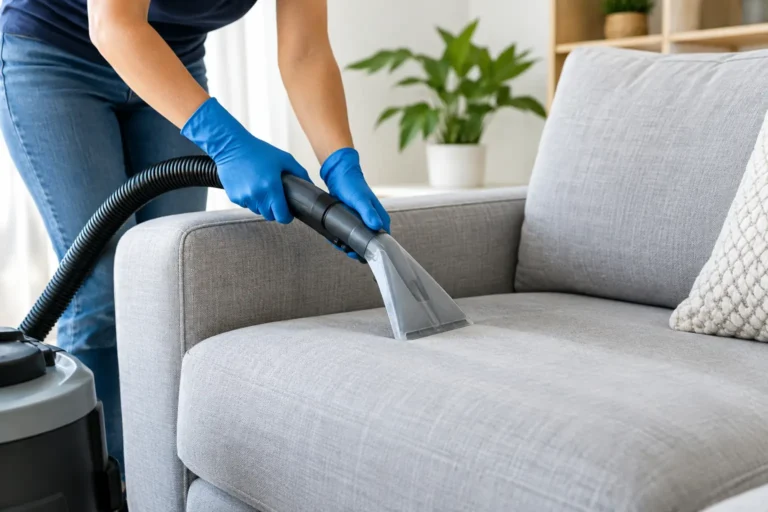
Vacuum the rug once or twice a week in normal traffic areas and more often near entryways, dining tables, and pet spaces. Use a lower suction setting or turn off the beater bar for delicate rugs, fringes, and loose weaves. For a thick, durable synthetic rug, a standard vacuum may work well, but make a few slow passes instead of rushing over the surface.
Every few months, carefully vacuum both sides if the rug is light enough to move safely. Dirt collects underneath as well as on top. You can also take a durable rug outside and gently shake it, but avoid beating it against a railing or hard surface. That can strain the backing and pull at the edges.
A quality rug pad helps more than comfort. It reduces slipping, limits wear caused by friction against the floor, and allows better air circulation underneath the rug. It also makes routine vacuuming more effective because the rug stays flatter and more stable.
How to Handle Spills Without Setting the Stain
Fast action gives you the best chance of saving a rug after a spill. Start by lifting solids with a spoon or dull edge. Then use a clean, absorbent white towel to blot the area from the outside toward the center. Press down firmly, replace the towel as it absorbs moisture, and resist the urge to scrub.
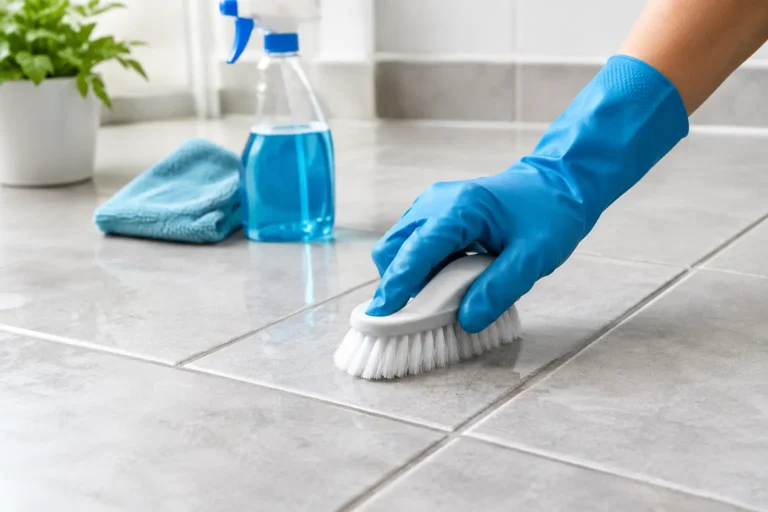
Scrubbing pushes the spill deeper into the rug and can rough up the fibers. It may also spread the stain into a larger ring. For a small stain on a colorfast synthetic rug, lightly dab with a small amount of water and a mild, rug-safe cleaner. Use as little moisture as possible, then blot again until the towel comes away nearly dry.
Avoid bleach, dish soap with strong degreasers, laundry detergent, and heavily scented spot products unless the manufacturer specifically approves them. These products can leave residue that attracts more dirt, change the rug’s color, or make natural fibers feel stiff. Vinegar is also not a universal solution. Its acidity may be inappropriate for certain wool, silk, or specialty rugs.
If the spill is wine, coffee, pet urine, cooking oil, or another stain with a strong odor, do not keep adding products until the spot disappears. Multiple cleaners can react with each other, and too much moisture can create a bigger problem beneath the surface.
Dry the Area Completely
A damp rug should never be left flat on the floor to air-dry slowly. Moisture can travel into the backing, rug pad, and flooring below, causing odors, dye migration, or mold concerns. After blotting, elevate the damp section if possible and use fans to move air across both sides. Keep the rug away from direct high heat, which may shrink natural fibers or warp the backing.
When Home Cleaning Is Not the Right Choice
A home spot treatment is appropriate for a minor, fresh spill on a rug with known care instructions. It is not the right answer for every situation. Professional rug cleaning is the safer choice when the rug has heavy traffic soil, widespread staining, pet accidents, water damage, smoke odor, or visible color bleeding.
It is also worth calling a trained technician when a rug feels crunchy, sticky, or unusually stiff after previous cleaning attempts. That often points to soap residue or soil trapped deep in the pile. Surface vacuuming will not remove it, and adding more cleaning solution can make the issue worse.
For wool, silk, viscose, antique, hand-knotted, or heirloom rugs, professional assessment is especially valuable. These materials may need controlled moisture, fiber-specific solutions, and careful drying rather than a one-size-fits-all carpet cleaning method. The goal is not simply to make the top look brighter. It is to remove embedded contamination while protecting the construction of the rug.
Watch for Problems Under the Rug
A rug can look clean from above while hiding a problem underneath. Check the floor below a rug periodically, especially if it sits near an exterior door, a pet area, a kitchen, or a basement. A musty odor, discoloration on the backing, dampness, or dark spotting on the floor can point to moisture that needs prompt attention.
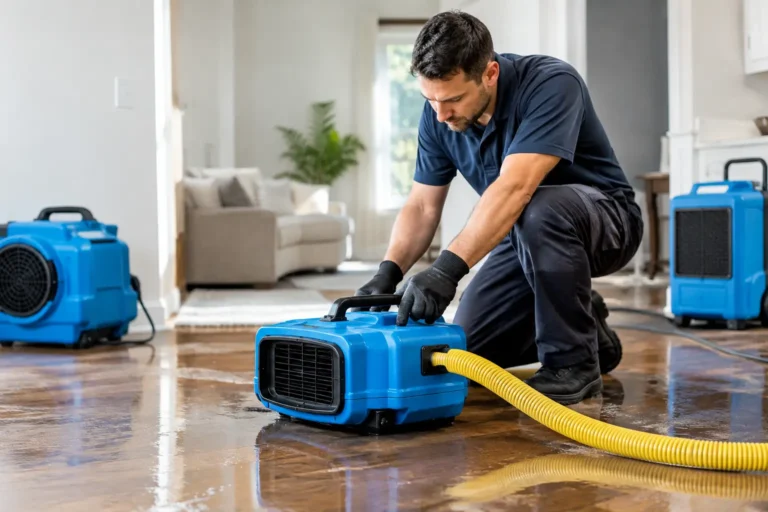
If a rug has been affected by a plumbing leak, flooding, or a major spill, time matters. Do not roll it up while wet. Rolling can trap moisture and cause odors, dye transfer, and mold growth. Move furniture away, improve airflow, and arrange for professional help before the rug and flooring sustain further damage.
A Practical Cleaning Schedule for Busy Properties
For most homes, weekly vacuuming and immediate spill response are enough to keep a rug in good condition between deep cleanings. Homes with children, pets, allergies, frequent guests, or high foot traffic may need more frequent care. Businesses, rental properties, and customer-facing spaces should inspect rugs regularly because stains and odors affect the appearance of the entire property.
Deep cleaning frequency depends on the material, traffic level, and what the rug is exposed to. A low-traffic bedroom rug may need professional attention less often than an entryway rug that sees shoes, rain, salt, and outdoor debris every day. The right schedule is based on the rug’s actual condition, not a fixed calendar rule.
For homeowners and property managers in Maryland, Washington DC, and Northern Virginia, DMV Dream Clean can help evaluate rug condition and recommend an appropriate cleaning approach. A trained inspection can prevent a well-intended home treatment from turning a small stain into permanent damage.
Your rug does a quiet but demanding job every day. Give it regular soil removal, respond carefully to spills, and ask for help when the material or stain is uncertain. That simple approach keeps the space cleaner while helping the rug remain safe, comfortable, and presentable for the people who use it.