A basement can look mostly fine after a leak stops, yet moisture may still be trapped behind walls, beneath flooring, and inside stored belongings. This water damaged basement restoration example shows why a fast, organized response matters after a sump pump failure and how the right restoration steps can protect both the property and the people using it.
A homeowner in Northern Virginia returned from a weekend away to find standing water across part of a finished basement. Heavy rain had overwhelmed the sump pump, allowing water to spread from the utility room into a carpeted family area and a small storage room. The water level was only a few inches deep, but the damage reached much farther than the visible waterline.
Water Damaged Basement Restoration Example: The First 24 Hours
The first goal was to stop additional water from entering the basement. The sump pump issue was addressed, the affected electrical circuits were left off until they could be safely evaluated, and the standing water was extracted. Water removal needs to happen promptly because carpet padding, drywall, baseboards, furniture, and cardboard boxes can absorb moisture quickly.
In this case, the carpet in the family area was wet along one side of the room, while the storage room had wet boxes and moisture around the lower drywall. The restoration team moved salvageable items to a dry area, photographed the affected materials, and separated contents that could be cleaned from items that had been damaged beyond practical recovery.
Timing matters, but the water source matters too. Rainwater from a sump failure may allow some materials to be dried and saved if the response is quick. Water from a sewer backup, toilet overflow, or other contaminated source requires a more cautious approach. Porous materials exposed to contaminated water, including carpet padding, insulation, and many stored paper goods, often need to be removed rather than cleaned.
Inspection Shows What Needs Attention
A proper restoration job does not end when the floor looks dry. Technicians use moisture meters and other professional equipment to check walls, floors, trim, and structural materials. This helps identify hidden wet areas that can lead to odor, material breakdown, or mold growth if they are overlooked.
In this basement, moisture readings showed that water had traveled behind the baseboards and wicked several inches into the drywall. The carpet was wet, but the padding beneath it had absorbed even more water. The homeowner initially hoped to save the entire floor, which was understandable. However, keeping saturated padding in place would have slowed drying and increased the risk of lingering odors.
The affected baseboards were carefully removed so air could reach the wall edges. A controlled section of drywall was removed where readings showed significant moisture. This was not unnecessary demolition. It was a targeted step to expose wet materials, speed drying, and avoid leaving a concealed problem inside the wall.
Why visible damage is not the full story
Water follows the easiest path. It can move under floating floors, travel through carpet backing, settle beneath shelving, and soak into wall materials from the bottom up. A dry surface does not prove that the area underneath is dry.
That is why a professional moisture assessment is especially useful in finished basements. It helps determine whether drying is realistic or whether certain materials should be removed and replaced. The right decision depends on the water source, how long the materials were wet, the type of flooring, and the condition of the space before the incident.
Extraction and Drying Come Before Repairs
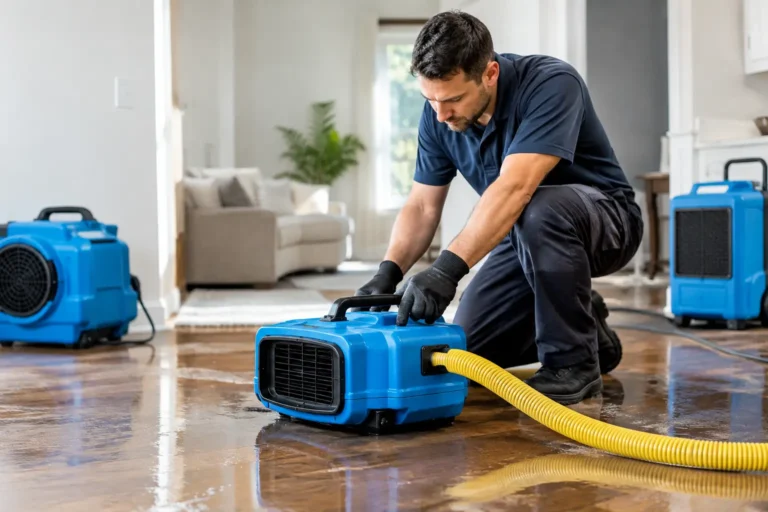
Once the damaged padding and limited drywall sections were removed, the drying process began. High-capacity air movers were positioned to circulate air across damp surfaces, while dehumidifiers pulled moisture from the air. The equipment ran continuously, and technicians returned to monitor moisture levels instead of relying on a set number of drying days.
In this example, the basement reached dry-condition moisture readings after several days. The exact timeline can vary. A small leak caught quickly may dry in two to three days, while a larger flood, a basement with poor ventilation, or moisture trapped beneath flooring can take longer.
Trying to speed the process with household fans alone may not be enough. Fans can help with surface evaporation, but they do not remove the moisture they release into the room. Without proper dehumidification and monitoring, humidity can remain high and allow damp materials to stay wet longer than expected.
Cleaning and Restoration Decisions
After the structure was dry, the focus shifted from emergency response to restoring a clean, usable basement. The concrete floor in the storage room was cleaned and sanitized. Salvageable plastic bins were wiped down, dried, and reorganized. Upholstered furniture that had not been directly exposed to standing water was evaluated separately before professional cleaning.
The carpet itself was removed because the saturated padding and extended wet time made replacement the safer choice. The homeowner chose a moisture-resistant flooring option for the rebuilt area. This cost more upfront than replacing carpet alone, but it offered better peace of mind for a basement that had experienced sump pump trouble before.
The lower drywall was repaired after the area was confirmed dry. New baseboards were installed, and the room was repainted. By handling drying before cosmetic repairs, the homeowner avoided sealing moisture into walls or installing new materials over a damp subfloor.
This sequence is one of the most important lessons from any basement water loss: do not rush to make the room look normal before it is actually dry. Fresh paint, new flooring, and replacement trim cannot solve hidden moisture.
What to Do While You Wait for Help
If it is safe to enter the basement, remove lightweight items from wet areas and place them somewhere dry. Take photos or videos before moving major items, especially if you may file an insurance claim. Keep children and pets away from the affected area, and do not use electrical equipment near standing water.
Avoid pulling up flooring or cutting walls without understanding the water source and extent of damage. Homeowners can sometimes save time by removing wet boxes, rugs, and small belongings, but structural drying and contamination decisions should be made carefully. If the water may contain sewage or if there is a strong odor, limit contact and call for professional help right away.
Preventing the Next Basement Water Problem
After restoration, this homeowner added a battery backup for the sump pump and tested the primary pump regularly. They also moved stored belongings into sealed plastic bins and placed shelving a few inches above the floor. These changes do not guarantee that water will never enter the basement again, but they reduce the likelihood of major content damage.
Other practical safeguards include keeping gutters and downspouts directed away from the foundation, checking for grading issues near exterior walls, and inspecting basement plumbing connections. Property managers should also know where shutoff valves are located and have a clear response plan for tenants or staff who discover a leak after hours.
For homeowners and businesses in Maryland, Washington, DC, and Northern Virginia, DMV Dream Clean can help assess water damage, remove moisture, clean affected areas, and support the next steps toward a safer, cleaner property. Fast scheduling and a clear explanation of the work can make a stressful situation easier to manage.
The best time to think about basement restoration is before the next storm or leak creates an emergency. Test the sump pump, keep stored items off the floor, and act quickly when water appears. A prompt response can be the difference between drying a room and rebuilding one.