The fire may have been contained to one room, but smoke damage rarely stays there. Smoke can move through hallways, closets, ductwork, and shared air pathways within minutes. It leaves behind odor, oily residue, discoloration, and fine particles that can affect the comfort, safety, and condition of your home or business.
The first priority is always safety. Once the fire department has cleared the property for entry, taking the right early steps can prevent additional damage and make restoration more successful. Acting quickly matters, but so does avoiding well-intended cleanup methods that can permanently set soot stains or spread contamination.
First Steps After Smoke Damage
Do not enter a fire-affected property until local authorities say it is safe. Even after the flames are out, weakened materials, electrical hazards, poor air quality, and hidden hot spots may remain. If there was significant smoke, keep children, pets, and anyone with respiratory concerns away from the area until it has been assessed.
Document the damage before moving or cleaning anything. Take clear photos and videos of walls, ceilings, furniture, flooring, appliances, clothing, and personal belongings. This record can support an insurance claim and help restoration professionals understand the full scope of the loss.
Then contact your insurance carrier and ask about the claim process, emergency mitigation requirements, and whether they recommend specific documentation. If water was used to put out the fire, mention that as well. Fire damage and water damage often occur together, and moisture left behind can create an additional mold risk if it is not addressed promptly.
If the property has electricity, gas, or HVAC concerns, do not try to restore those systems yourself. Have qualified professionals inspect them first. Running a heating or cooling system before it has been evaluated can circulate smoke particles and odors into rooms that were not directly affected.
Why Smoke Damage Is More Than a Surface Problem
Smoke is made up of tiny particles and gases created when materials burn. What it leaves behind depends on what caught fire, how hot the fire burned, how long it lasted, and how air moved through the building. A small kitchen fire, for example, can leave greasy residue on nearby cabinets and ceilings. A slow-burning fire involving wood, fabric, or plastics may produce heavier soot and a stronger odor throughout the property.
Some soot is dry and powdery, while other residue is sticky, oily, or acidic. Acidic soot can gradually damage metal, electronics, painted surfaces, upholstery, and fabrics. This is why waiting too long can raise restoration costs. A surface that might have been cleaned shortly after a fire may require replacement after residue has had time to bond, corrode, or discolor it.
Odor is another challenge. Opening windows may help briefly, but it does not remove the particles embedded in carpet, upholstery, drapery, insulation, or air ducts. Covering the smell with candles, air fresheners, or fragrance sprays can make a space feel more tolerable for a few hours, but it does not solve the source of the problem.
Smoke Can Travel Farther Than You Expect
Smoke follows airflow. That means rooms on another floor or behind closed doors can still be affected, especially if the HVAC system was operating during or soon after the fire. It can collect along ceiling edges, inside closets, behind furniture, and within soft materials where discoloration is not immediately obvious.
For commercial properties, smoke can also affect inventory, office equipment, customer-facing surfaces, and shared ventilation systems. A business may look clean after visible soot is removed, yet lingering odor or residue can still create an unpleasant experience for employees and customers.
What Not to Do During Cleanup
It is understandable to want to start cleaning immediately. However, the wrong approach can make smoke damage worse. Avoid wiping soot-covered walls, ceilings, or furniture with a wet rag. Moisture can smear residue deeper into porous surfaces and cause streaking that is difficult to remove.
Do not vacuum soot using a standard household vacuum. Most household machines are not designed for fine smoke particles and may blow them back into the air. Avoid washing smoke-damaged clothing, linens, or upholstery before they are evaluated, especially if the odor is strong or the items are delicate. Heat from a dryer can set odors and stains into fabric.
You should also avoid using harsh household cleaners, bleach, or strong degreasers on painted walls, finished wood, natural stone, or specialty materials. These products can cause discoloration or remove protective finishes. The right cleaning method depends on the material, the type of residue, and the extent of the damage.
How Professional Smoke Damage Restoration Works
A professional restoration plan starts with an inspection, not a one-size-fits-all cleaning method. Technicians assess the areas directly affected by fire, identify where smoke traveled, check for water-related concerns, and determine which materials can be safely cleaned or should be removed.
The process often begins with controlled dry soot removal using specialized equipment and techniques. Technicians then clean hard surfaces with products selected for the type of residue and material involved. Walls, ceilings, cabinets, flooring, windows, fixtures, and contents each require different care.
Soft surfaces need special attention because they can hold odor particles below the surface. Carpet, area rugs, upholstery, mattresses, drapery, and other textiles may require professional cleaning, deodorization, or, in severe cases, replacement. The condition of the item, its value, and the type of smoke exposure all affect that decision.
Air quality is also part of a complete restoration plan. If smoke entered the HVAC system, professional air duct cleaning may be appropriate after the system has been inspected and cleared for use. Cleaning ducts without addressing the source areas first is not a complete solution. The goal is to remove the residue throughout the property so odors and particles are not recirculated.
Odor treatment may include targeted deodorization methods designed to neutralize smoke at its source. The best option depends on the property, the materials involved, and whether occupants can remain in the space during treatment. A reputable provider should explain the process clearly and avoid promising that every item can be restored before inspecting it.
Can Smoke-Damaged Items Be Saved?
Many items can be restored when cleanup begins quickly. Nonporous materials such as glass, metal, tile, and some sealed surfaces often respond well to professional cleaning. Solid wood furniture, washable fabrics, rugs, and upholstery may also be salvageable, depending on the fire conditions and the amount of soot or water exposure.
Other materials are more difficult. Unsealed drywall, insulation, particleboard, heavily charred materials, and porous items with deep smoke penetration may need to be removed. Electronics deserve careful handling because soot can collect inside components and corrosion may develop later, even when the device appears to work normally.
This is where an honest assessment matters. Restoration is often more affordable and less disruptive than replacement, but cleaning is not always the right answer. The safest plan is the one that protects the building, its occupants, and the long-term condition of the property.
Protecting Your Property After Restoration
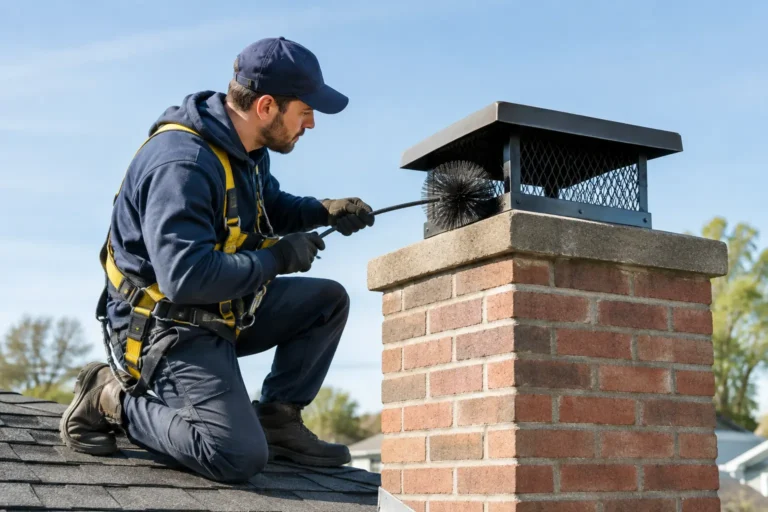
After cleanup, ask what steps can reduce future indoor air and fire risks. Replacing HVAC filters, keeping dryer vents clear, maintaining chimneys, and scheduling routine cleaning for ducts and high-use textiles can help support a cleaner indoor environment. These services do not prevent every fire, but they can address common buildup and airflow concerns that should not be ignored.
For landlords, property managers, and business owners, document the completed work and retain invoices, inspection notes, and before-and-after photos. Clear records are helpful for insurance, future maintenance planning, and communicating with tenants or staff.
A fire is disruptive enough without uncertainty about what happens next. Focus first on safety, documentation, and professional assessment. With timely, careful smoke damage cleanup, many properties and belongings have a much better chance of being restored to a clean, comfortable, usable condition.